Workshop: Feedback Frontier: Learn, Practice, and Thrive
“What can I do better?”
This is a question I often ask my saxophone teacher because I want to get better and appreciate his guidance. I also asked this of previous managers in between performance reviews.
Perhaps you’ve asked this question of a leader or peer. Or maybe someone has recently asked you this question. This is a common ask of high achievers.
When I was a new leader, providing clear and constructive feedback was one of my most challenging and avoided tasks. How and when should I give feedback? Often I learned through my missteps via on-the-job practice.
It is easy to tell high performers they are doing great work. It is more difficult to tell someone they aren’t meeting expectations.
This course is geared toward new and aspirational people managers and leaders. We'll discuss three frameworks to more easily deliver regular feedback and ensure you and your team hit the right notes. We'll also cover the risks of avoiding feedback, practice providing feedback, and share resources.
Details:
2-hour Session
Virtual, Hybrid or In-Person
Course Overview:
Exploring Feedback Models:
Dive into three powerful feedback models including:
Situation-Behavior-Impact (SBI)
The GROW Coaching Model
Conscious Feedback
8 Risks of Avoiding Feedback:
Poor performance persists: Without feedback, employees are unaware of areas that need improvement, allowing poor performance or behaviors to continue unchecked.
Lack of accountability: Feedback helps to establish clear expectations and hold employees accountable for their work and actions. Without it, there is little sense of responsibility or ownership.
Missed coaching opportunities: Feedback allows managers to identify skill gaps and provide targeted coaching and development opportunities for their employees.
Low morale and motivation: When employees feel their efforts go unrecognized or their shortcomings are ignored, it can lead to frustration, low morale, and decreased motivation.
Talent attrition: Top performers may leave the organization if they feel their contributions are not valued or if they lack guidance on how to grow and develop.
Strained relationships: Withholding feedback can create tension and mistrust between managers and employees, hindering open communication and collaboration.
Organizational stagnation: Without feedback, employees may continue operating with outdated methods or fail to adapt to changing business needs, preventing growth and innovation within the organization.
Legal liabilities: Lack of documented feedback can make it difficult to substantiate disciplinary actions or terminations, exposing the organization to potential legal risks.
Practice Makes Perfect:
Step into the shoes of both the manager and the employee through interactive role-playing exercises.
Receive personalized coaching and feedback on your feedback delivery.
Feedback in Action:
Develop a personalized action plan to implement effective feedback in your workplace.
Gain access to valuable resources and templates to support your feedback journey.
Takeaways
By the end of this course, you'll have the confidence and skills to navigate difficult conversations, deliver constructive criticism with empathy, and create a culture of continuous improvement and growth within your team.
Message me to learn more and unlock the power of effective feedback!
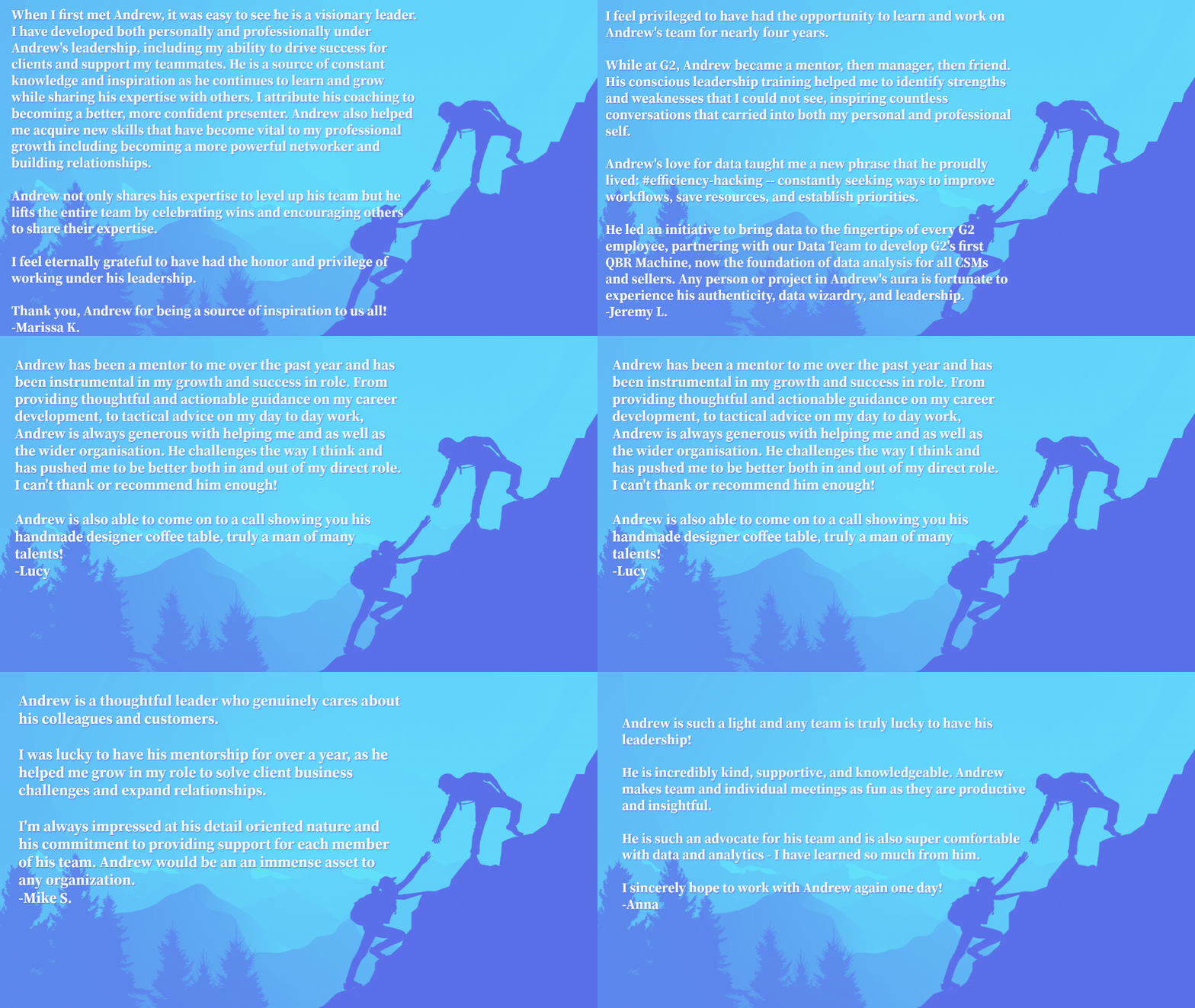
Testimonials